New milestone for Victoria's bush stone-curlew reintroduction program
This collaborative project brings together Phillip Island Nature Parks, Odonata Foundation and The Australian National University with funding support from The Penguin Foundation and its generous donors.
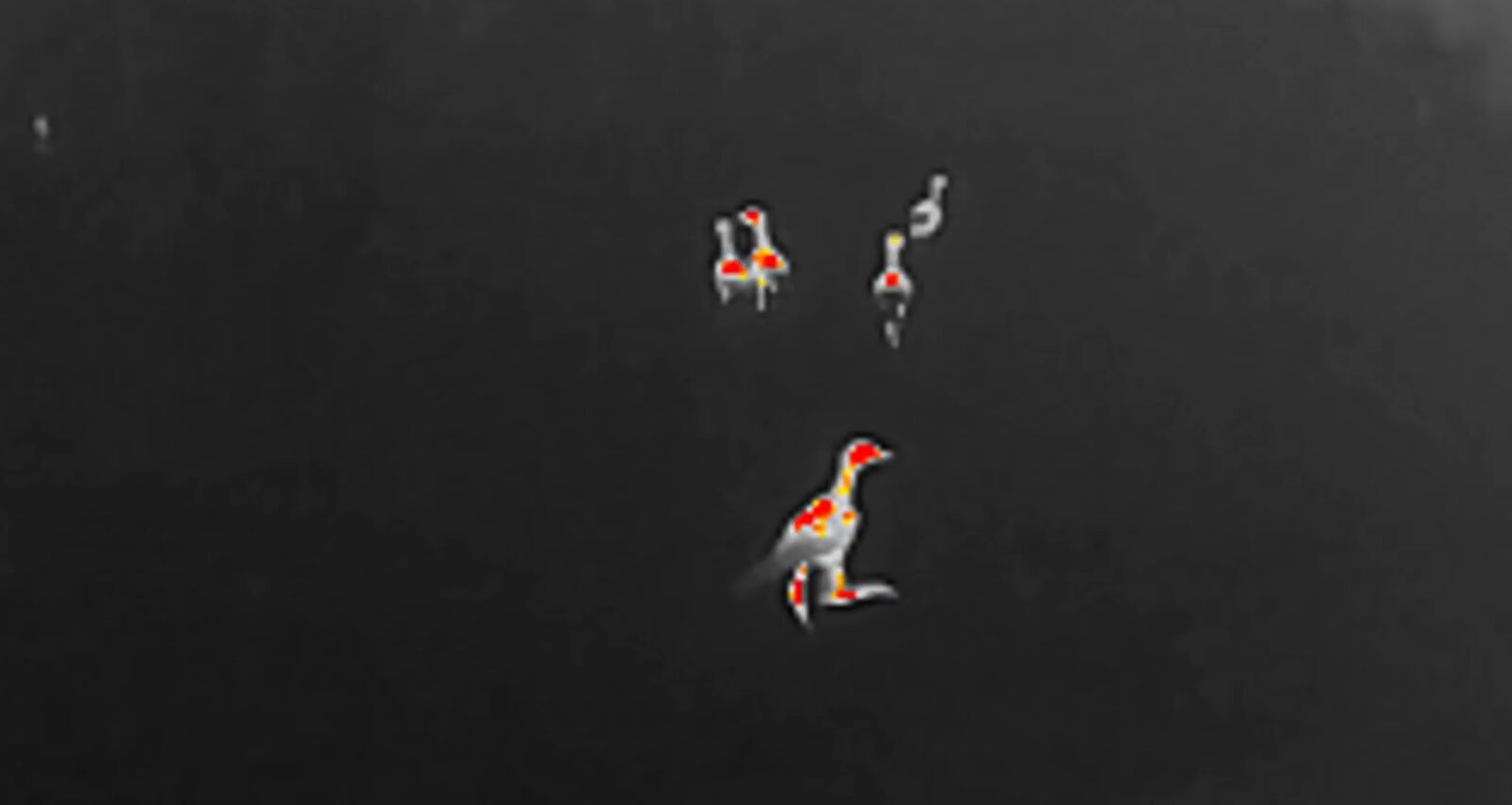
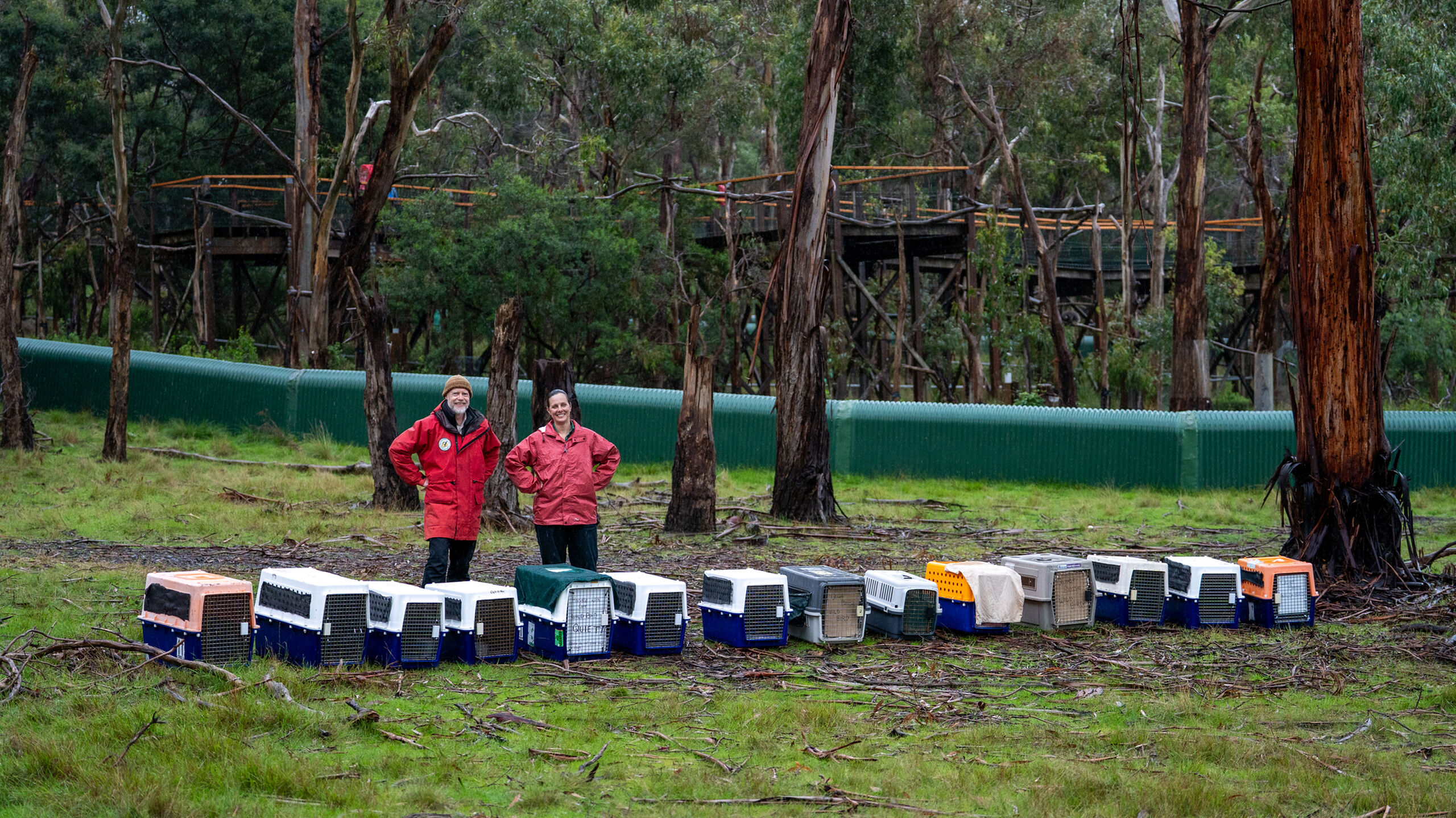
A further fourteen bush stone-curlews have been released into the wild on Milawul (Phillip Island).
This release is about more than numbers. These birds have been sourced from wildlife organisations right across Australia, including Alice Springs Desert Park, Australian Reptile Park, Byron Bay Wildlife Sanctuary, Caversham Wildlife Park, Currumbin Wildlife Sanctuary, Featherdale Sydney Wildlife Park, Lone Pine Koala Sanctuary, Oakvale Wildlife Park and Wildlife Habitat Port Douglas.
By bringing together birds from populations from around the country, we're strengthening the gene pool of the wild population on Milawul, giving it a far better chance of long-term resilience.
These fourteen birds join the birds released in 2024, and already there are encouraging signs when earlier this year, wild breeding activity was recorded for the first time, an important step towards a self-sustaining population.
This release also marks a scientific first in the trial: only half the birds have had their wing feathers clipped, as researchers investigate whether flighted birds use roads less and are better able to avoid vehicle strikes, currently the leading cause of curlew mortality on the island. To this point, all released birds have had their wing feathers clipped as this prevents the birds dispersing off island looking for other bush stone-curlews and improves their survival. Now they have other wild birds to join.
"With the first wild releases we determined that bush stone-curlews can survive on Phillip Island," said Phillip Island Nature Parks Senior Scientist, Dr Duncan Sutherland. "Now we're introducing birds from all around Australia to encourage more breeding and a diverse genetic population, giving them the best chance of success in a changing environment."
"We are not working alone," said Dr Sutherland "In collaboration with our conservation partners, volunteers, community and supporters, we hope this program improves the long-term viability of bush stone-curlews right across south-eastern Australia.”